Abuja's land market is entering its most important cycle in a decade. Satellite corridors along Airport Road, Kubwa, and Bwari are absorbing both end-user and investor demand, while the FCT administration advances the Abuja Master Plan revision that will formalise infrastructure timelines for outer districts. This guide is for buyers deciding how, where, and whether to commit in 2026.
Why This Cycle Favours Early Entry
Three forces converge in 2026 that rarely arrive together: post-cycle savings seeking hard-asset placement, a currency environment that makes naira-denominated land attractive to diaspora capital, and an FCT administration that is, for the first time in years, delivering infrastructure ahead of population growth rather than after it.
Airport Road is the clearest expression of this shift. The corridor running through Hutu into the outer districts now carries a fully asphalted dual carriageway, fibre conduits, and a completed water main, utilities that in previous cycles arrived five years after the land was already priced for them. Buying before infrastructure completion and buying after it are very different transactions; the window for the former on this corridor is closing.
What "Serviced Plot" Actually Means in 2026
The phrase is used loosely across the Nigerian market. In a properly serviced scheme, the developer has obtained a registered survey plan and FCT approval, cut and levelled roads to plot boundaries, laid water and drainage infrastructure, installed perimeter security, and provided a title instrument transferable to the buyer: either a C-of-O, R-of-O, or FCT Minister's Consent.
If any of these are absent, the plot is raw land with a marketing description. Ask for documentation on each point before committing any payment.
The Airport Road Corridor: What Has Changed
Historically a transit route rather than a residential destination, Airport Road absorbed significant spillover demand from Katampe and Maitama Extension between 2022 and 2025. Today the corridor supports a mixed-use population, a functioning weekly market, and a growing number of completed private residences.
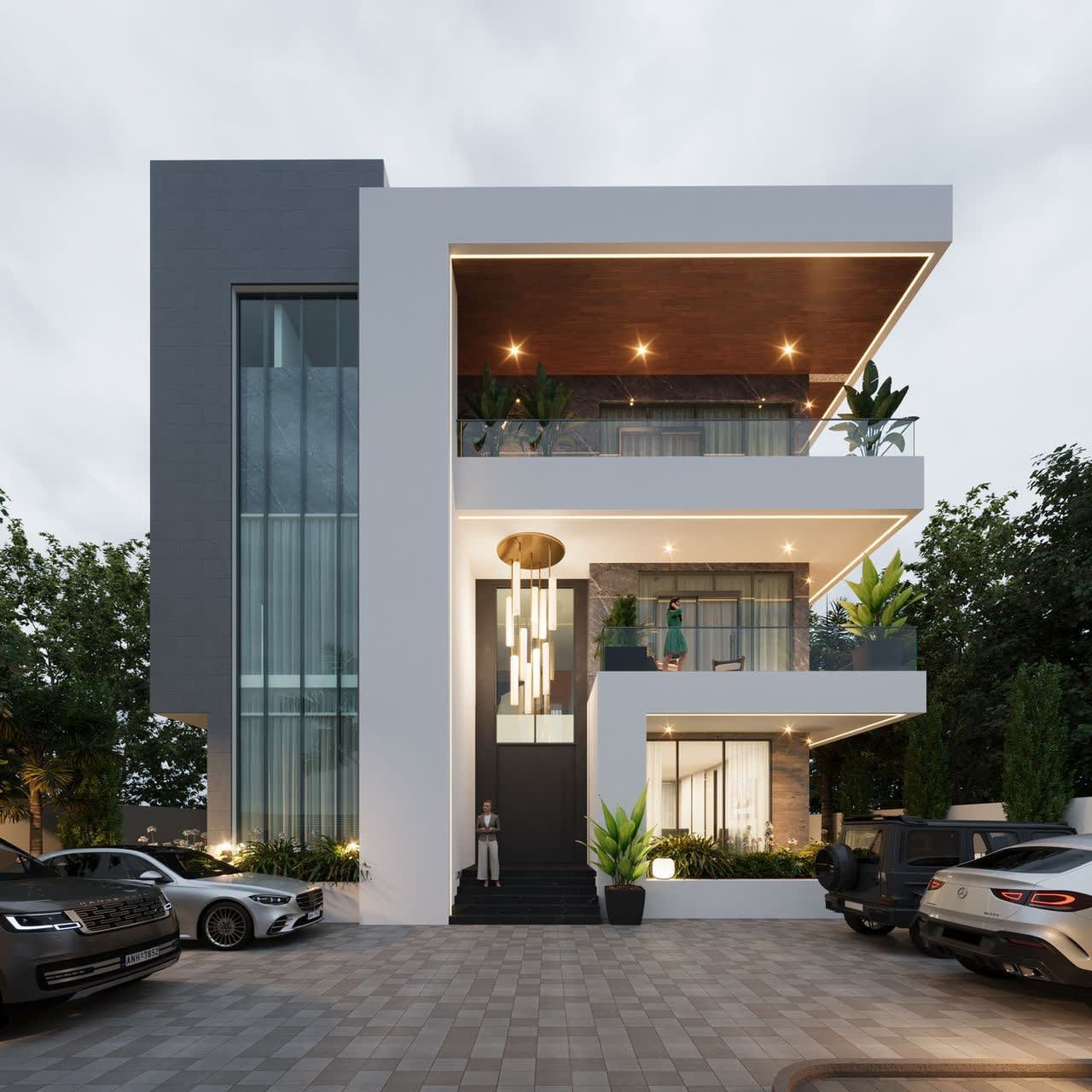
The landmark development on this corridor is Hutu Orchards, a 30-hectare master-planned estate on Hutu, Airport Road. It is one of the few completed developments in Abuja's outer districts to integrate commercial, residential, and green infrastructure in a single estate, and its completion has materially raised buyer confidence across the surrounding area.
How to Evaluate a Land Purchase
Title Document
In the FCT, the hierarchy is: Certificate of Occupancy (C-of-O) → Right of Occupancy → Minister's Consent → Deed of Assignment. A Deed of Assignment alone, without an FCT-registered title behind it, is not bankable and carries resale risk. Confirm the document type and verify it against FCT Land Administration records before signing anything.
Developer Track Record
Check completed projects, not projects under marketing. Any developer can take reservations; delivery is the differentiator. Ask to inspect a finished scheme before paying into a new one.
Infrastructure Timeline
Request a written schedule of when roads, water, drainage, and security will be complete. Tie milestone payments to those dates in your sale agreement, not to arbitrary calendar dates or verbal assurances.
Neighbourhood Comparables
Compare the price per square metre against recently sold plots within two kilometres. A price that sits 30–40% below comparable sales typically signals a title problem, a delivery risk, or both. Unusual discounts require unusual scrutiny.
Payment Structures Common in 2026
Most Airport Road schemes currently offer staggered plans to capture early-stage buyers:
- Outright purchase at a 5–8% discount to listed price
- 12-month plan: 40% initial deposit, balance spread in monthly instalments
- 24-month plan: 30% initial deposit, balance in quarterly instalments tied to infrastructure milestones
The critical question in every plan is what recourse you have if the developer misses milestones. This must be answered in the sale agreement, not in a brochure or a phone call.
What Returns Look Like
Land in Abuja's mid-belt corridors (Hutu, Pyakasa, Karsana) has historically appreciated 18–25% annually in naira terms during active development cycles. On a dollar basis, returns are lower but still positive for buyers who entered before infrastructure completion. The 2022–2024 period produced above-average appreciation along Airport Road precisely because infrastructure arrived ahead of schedule; the current entry point still sits below the price trajectory implied by comparable district timelines.
These are historical patterns, not guarantees. Individual plot position within an estate, developer execution, and FCT policy shifts all affect outcomes.
Making a Decision
The best land investment in Abuja in 2026 is not the cheapest plot or the most aggressively marketed one. It is the one with the clearest title, the most verifiable developer track record, and infrastructure already in the ground. Those three criteria narrow the field considerably.
If you are evaluating options on the Airport Road corridor or elsewhere in the FCT, our team can walk you through available plots, title documentation, and payment structures matched to your timeline. Contact us to arrange a site visit or speak with an advisor.